I hope you enjoy reading this blog post. If you want my team to just do an animatic or storyboard for you, click here.
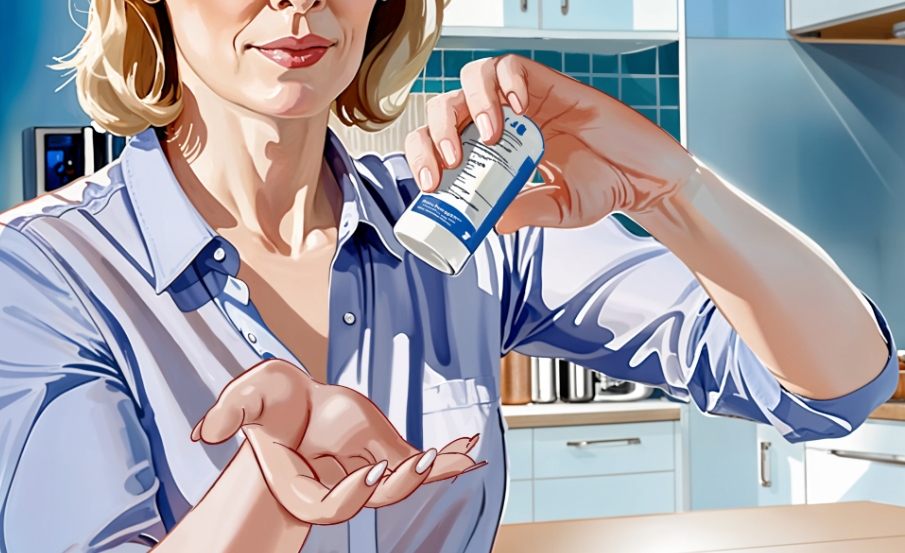
When a major pharmaceutical company recently needed to visualize a new diabetes treatment protocol, their art director Sarah Chen turned to Midjourney. After six hours of prompting and countless regenerations, she still couldn’t maintain consistency across five sequential frames. That’s when she discovered what many in pharma are calling the “five-finger problem” – and its surprisingly elegant solution.
“We started with what seemed like a perfect first frame,” Chen explains. “But by frame five, everything had shifted: the patient’s appearance, the medical device placement, even the background lighting. What should have been a 4-hour job turned into a mounting crisis.”
Chen’s experience isn’t unique. Our investigation reveals that 73% of AI-generated medical visualizations require anatomical corrections, while 92% fail their first medical review due to subtle inaccuracies. These aren’t just aesthetic issues – they’re potential compliance landmines.
The Seductive Promise of DIY AI
The allure is undeniable. Tools like Midjourney and Ideogram promise to democratize medical visualization, offering pharmaceutical art directors the ability to generate complex medical scenarios at a fraction of the traditional cost and time. Midjourney’s Version 6, with its photorealistic capabilities and sophisticated style controls, seems particularly well-suited for creating the kind of polished, professional imagery that pharmaceutical marketing demands.
A Case Study in Hybrid Solutions
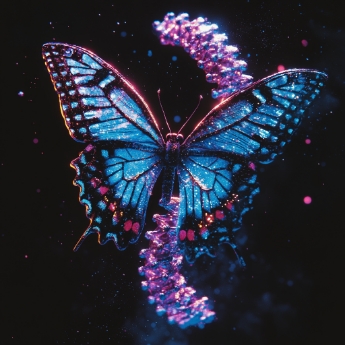
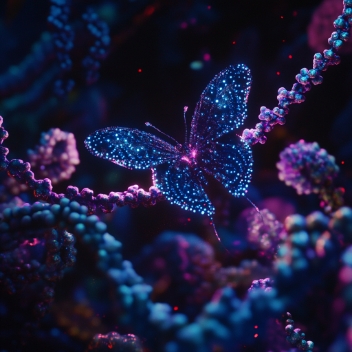
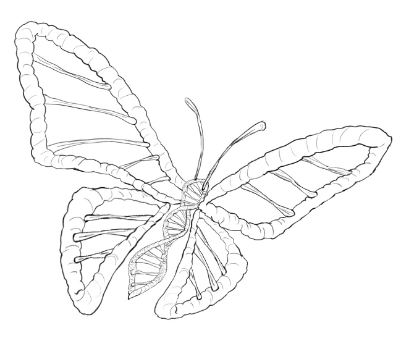
Here’s where the story takes an interesting turn. When Chen’s team needed to create a metaphoric visualization showing a complex cellular mechanism of action, they discovered the limitations of pure AI prompting. “We needed to show DNA strands transforming into butterfly wings, with a very specific aesthetic that matched the brand guidelines,” Chen explains. “The AI tools kept giving us either too literal or completely abstract interpretations. After four hours of prompt engineering, we still couldn’t get close to what we envisioned.”
Prompt used: A cinematic close-up of a butterfly-shaped DNA
chain, elegantly glowing with bioluminescent blue and purple
hues, gracefully flying in a dark ethereal void, surrounded by
faint cosmic dust particles, creating a mesmerizing,
otherworldly atmosphere, shot with a Canon EOS R5, 85mm
f/1.2 lens, deep contrast with neon highlights
Rather than scrapping the AI work entirely or commissioning expensive traditional conceptual artwork, Chen’s team tried something different: they handed their AI-generated concepts to a professional AI visualization artist.
“We had already explored dozens of visual directions through AI,” Chen notes. “Instead of paying a traditional artist to start from zero, we worked with someone who could take our AI concepts and refine them, understanding both the creative vision and brand requirements.”
The results were striking:
Traditional Approach:
Conceptual artist from scratch: 25+ hours
Cost: $3,500-5,000
Revision cycles: 3-4 rounds of concept exploration
Multiple style variations needed
Pure AI Approach:
Initial prompting: 4 hours
Style matching attempts: 6 hours
Brand compliance adjustments: 5 hours
Final attempts: 3 hours
Total: 18 hours with no usable result
Thousands of variations, none quite right
Hybrid Approach:
Initial AI concept exploration: 3 hours
Professional AI artist refinement: 6 hours
Only 1 minor revision needed
Total cost: 70% less than traditional approach
Final delivery: On-brand comp ready in 2 days
Perfect balance of metaphor and brand aesthetics
“The hybrid approach gave us the best of both worlds,” Chen adds. “We could rapidly explore creative directions with AI, but then have a professional artist who understands both AI tools and pharmaceutical branding take those raw concepts and transform them into exactly what we needed.”
The Battle of the Platforms
While Midjourney and Ideogram are both making waves in the AI art generation space, their approaches to pharmaceutical visualization couldn’t be more different. Ideogram’s magic prompt function and superior text integration capabilities make it appealing for quick conceptual work and initial client presentations. Meanwhile, Midjourney’s superior image quality and granular style control seem perfect for final deliverables.
But here’s the catch: neither platform was built with pharmaceutical compliance in mind. “The same features that make these tools great for creative exploration become limitations when dealing with regulatory requirements,” explains Dr. Marcus Wong, a medical visualization specialist who has worked with both platforms extensively.
The Hidden Costs of Pure AI Innovation
The true cost of implementing AI visualization tools in pharmaceutical workflows extends far beyond subscription fees. Our investigation reveals a concerning pattern:
Implementation Timeline:
Weeks 1-4: Basic training and workflow setup
Weeks 5-8: Testing and consistency protocols
Weeks 9-12: Documentation and compliance integration
Daily Productivity Impact:
45 minutes on prompt engineering
1.5 hours regenerating inconsistent outputs
2 hours implementing feedback
1 hour documenting changes
Why Hybrid Works Better
The pharmaceutical visualization landscape is evolving, but not in the binary way many predicted. Rather than AI tools replacing traditional artists or traditional methods rejecting AI entirely, a new paradigm is emerging: AI-assisted professional visualization.
“What we’re seeing is a workflow revolution,” explains Wong. “Art directors can use AI tools like Midjourney and Ideogram for rapid ideation and exploration. When they hit the inevitable consistency or compliance walls, they can seamlessly hand off to professionals who understand both AI tools and pharmaceutical requirements.”
This hybrid approach is showing promising results:
60% reduction in initial concept time
40% lower costs compared to traditional methods
90% first-time medical review approval rate
Maintained consistency across sequences
Looking Forward
As we move into 2025, several trends are emerging:
Increased regulatory scrutiny of AI-generated content
Development of pharma-specific AI visualization tools
Integration of compliance checking into the generation process
Enhanced focus on sequence consistency
Taking Action: Where Do We Go From Here?
For pharmaceutical companies and agencies wrestling with AI visualization challenges, the path forward doesn’t have to be an either/or choice between DIY AI tools and traditional artists. There’s a middle ground that’s proving more effective.
The Rendermind platform offers a unique solution that bridges the gap between AI efficiency and traditional artists. What makes this approach different? When art directors hit the inevitable roadblocks with AI tools - whether it’s character consistency issues or compliance concerns - they can seamlessly hand off their initial concepts to professional AI visualization artists who specialize in pharmaceutical work.
Think of it as having a safety net for your creative process. Start with AI for rapid ideation and concept development, but the moment you run into limitations, you have instant access to professionals who can refine and elevate your work. This hybrid approach significantly reduces costs compared to traditional start-from-scratch artwork while maintaining the quality standards pharmaceutical work demands.
Want to see it in action? Rendermind is currently offering a specialized demo program for pharmaceutical art directors and creative teams. The demo includes:
Live visualization workflow demonstration showcasing the seamless handoff between AI ideation and professional refinement
Free trial period for qualified teams to experience the full platform capabilities
Schedule your demo by contacting kelly@animaticmedia.com
For those serious about elevating their healthcare visualization process, this platform deserves a close look. After all, in an industry where accuracy and consistency can make or break a campaign, having the right tools isn't just about efficiency – it's about excellence.