Training Video Remastering · Human Reviewed
Your training has stood the test of time. Your footage hasn't.
Modernize training footage you could never recreate — the procedures, the performances, the moments too costly or too sensitive to stage again.
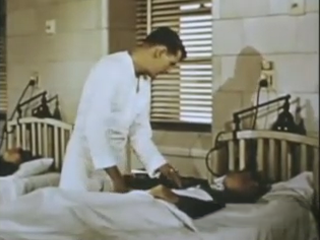
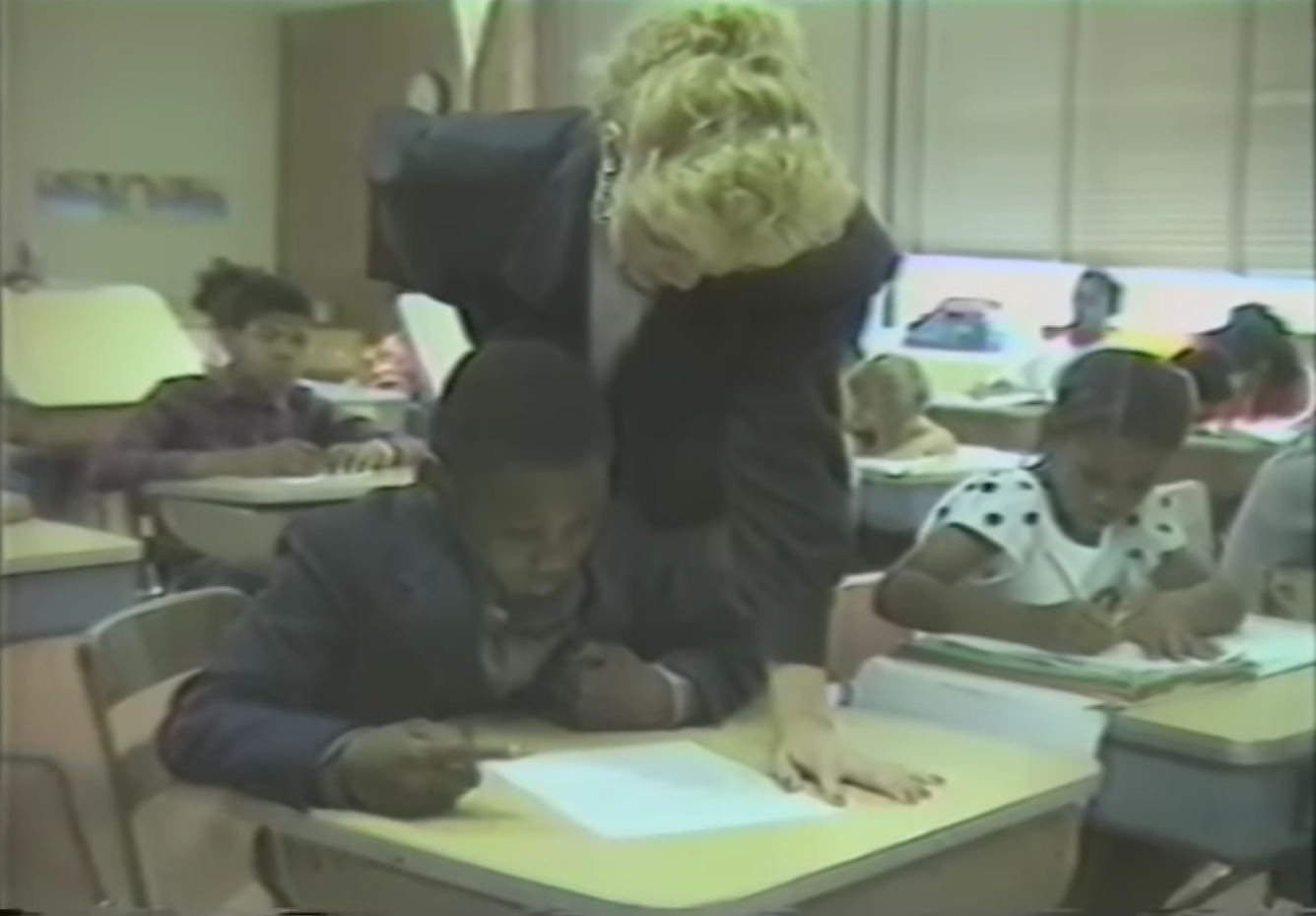
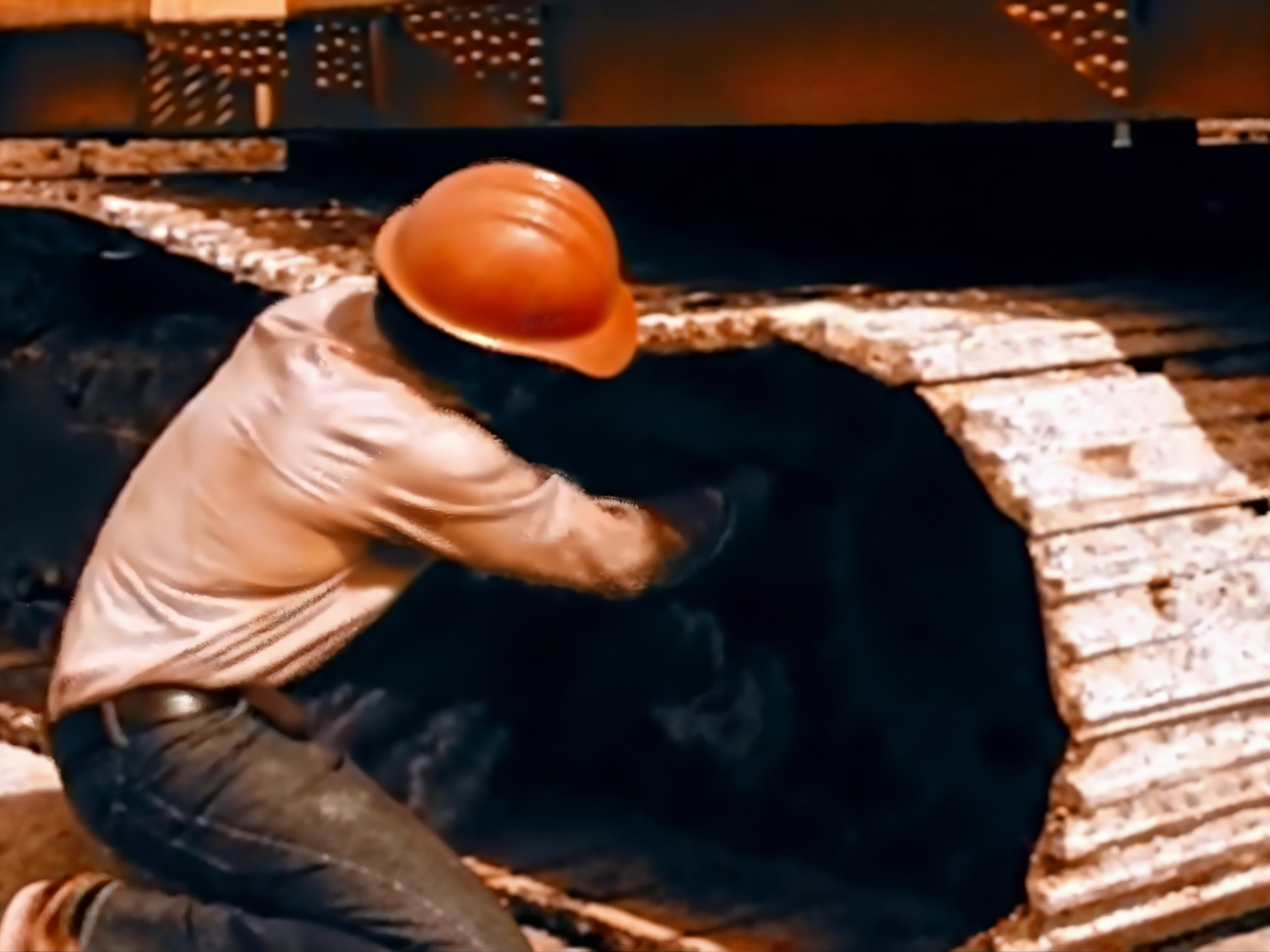
Preserve the procedure. Modernize the picture.
Preserve rare procedures and authentic patient interactions. Remove the dated picture that undermines confidence in the instruction.
Protected elements
Identified as protected, checked against the source and submitted for your approval. Dosages, labels, PPE and procedural detail are confirmed by your subject-matter expert.
- Hand position and points of contact
- Medication labels and readable dosages
- Instrument identification
- Procedure sequence and timing
- Patient response and affect
- Narration and runtime
Three kinds of footage that cannot be shot twice.
Clinical and medical training.
Procedures, therapy demonstrations and patient interactions that would be difficult, unethical or impossible to recreate. The instruction is still correct — clinical training video modernization is about the picture your learners judge first.
Education and behavioral programs.
Classroom observations, assessed behaviors and intervention demonstrations connected to established training systems. Behavioral training video remastering keeps the certification value intact when dated footage would otherwise weaken adoption.
Workplace and industrial safety.
Hazard demonstrations, equipment procedures and incident footage that cannot be safely staged again. A workplace safety video update is not a compliance update — the procedure still has to be current.
Some footage only gets shot once.
You cannot restage a clinical emergency to replace an aging camera format.
You cannot ask children to reproduce the exact behaviors an assessment was validated against.
You cannot recreate a hazardous incident without unacceptable risk.
A reshoot means new locations, new performers, new clearances and a new validation cycle — if the moment can be staged at all. Remastering keeps the instruction you already own and rebuilds only the picture around it. The content remains valuable. The picture is what makes it hard to use.
Controlled, and reversible at every stage.
Four steps. Nothing scales until you have seen the result beside your original.
Define what cannot change.
You identify the actions, expressions, labels, equipment, timing and instructional detail that must remain faithful to the source. We work to that list.
Modernize a controlled test.
Animatic Media produces a 30-second test from your footage, inside the visual boundaries you set.
Compare it with the source.
The result is reviewed beside the original. Any unacceptable change is corrected or excluded.
Scale only after approval.
You decide whether the process suits the wider library. Nothing proceeds without that decision.
AI can introduce visual errors. The process is built around that.
Protected elements are defined before work begins, the finished footage is reviewed against the source, and you approve the result before the process touches a larger library.
- Resolution and sharpness
- Lighting and exposure
- Color and grade
- Grain, noise and compression artifacts
- Background environment and set dressing
- Format, framing and delivery specification
- The demonstrated action and its sequence
- Hand and body position
- Text, labels and readable instructional detail
- Faces and identifiable people
- Timing and runtime
- Narration and audio
The controls.
- Human review of the finished footage against the source.
- Protected elements defined by you, in writing, before work begins.
- Side-by-side comparison delivered with every test.
- Dosages, labels, PPE and procedural detail approved by your qualified subject-matter expert.
- Your approval required before anything scales.
- Submitted material handled on a closed pipeline, not through consumer tools.
A production company since 1997.
- Twenty-eight years of production. Boards and animatics inside the creative departments of Goodby Silverstein, Wieden+Kennedy, BBDO, Ogilvy, BBH and TBWA\Chiat\Day since 1997.
- Human frame-by-frame review. A person compares every finished frame against the source. Registered human-authorship workflow, U.S. Copyright Reg. PAu 4-297-548.
- Secure footage handling. Closed pipeline, never consumer tools. NDA on request. Material deleted or returned at your instruction.
- Protected elements defined by you. In writing, before work begins, and approved by your subject-matter expert before anything scales.
- Federal vendor. UEI CKCTG4PXFCL5 · CAGE 5ENQ7 · NAICS 541810.
Before you send anything.
How do I update old training videos without reshooting them? +
Existing footage is modernized frame by frame rather than reshot. Resolution, lighting, color, grain and background environment are rebuilt. The demonstrated action, hand position, readable labels, faces, timing and audio are identified as protected, checked against the source and submitted for your approval.
Does remastering change the instructional content? +
No. Visual remastering modernizes the presentation. It does not revise instruction. If a regulation, policy, procedure or product has changed, that is content revision — a separate piece of work, and the revised instruction has to be written and revalidated by your subject-matter experts.
Who confirms that dosages, labels and PPE are still correct? +
You do. AI restoration can alter labels, hands, equipment and expressions, so every protected element is checked against the source by a human reviewer and then submitted to your qualified subject-matter expert. Nothing scales to a wider library without that approval.
What does the free 30-second test involve? +
You send one representative clip. We evaluate whether the footage suits the process and, if it does, produce a 30-second test remaster at no cost within five business days. Not all footage is suitable. Very low detail, heavy motion or illegible instructional information can make a clip unworkable.
How is our footage handled? +
On a closed pipeline, never through consumer tools, under NDA on request. Material is used only to produce your test, and is deleted or returned at your instruction.
See your footage, remastered.
We are opening a limited number of remastering tests for organizations with a legacy training video library that cannot be practically reshot. Send one representative clip. We evaluate the footage and, if it suits the process, produce a 30-second test remaster at no cost. You review the result beside the original before any larger engagement is discussed.
Five business days from receipt · Palm Beach, Florida