Commercial pre-testing
Research-ready animatics in days, not weeks. The story stays coherent, so consumers judge the idea, not the errors.
See pre-testing →A controlled AI-plus-artist workflow that turns scripts into coherent, cinematic video for commercial pre-testing, branded content, and micro-drama series — in days, not weeks.
Research-ready animatics in days, not weeks. The story stays coherent, so consumers judge the idea, not the errors.
See pre-testing →Photoreal vertical series in English and Spanish. Western stories, a full season in 3 weeks, seasons from $50,000.
See microdrama production →Our browser app for directing AI shots. Block the actors, draw the camera move, and export to the video tool you already use.
Try One Take →From CPG to gaming, spirits to consumer electronics, pharma to financial services — 28 years of boards, animatics, and finished film for the world's most demanding marketers. BBDO, TBWA, Leo Burnett, PepsiCo, Diageo, Philips, and Ubisoft already trust the team behind RenderMind.
RenderMind turns your script into boards and video in hours. Our artists then lock the missing beats, continuity, and visual logic so the story is decision-ready.
A coherent story is the foundation of every valid creative decision. When the stimulus falls apart, research captures reactions to the wrong thing.
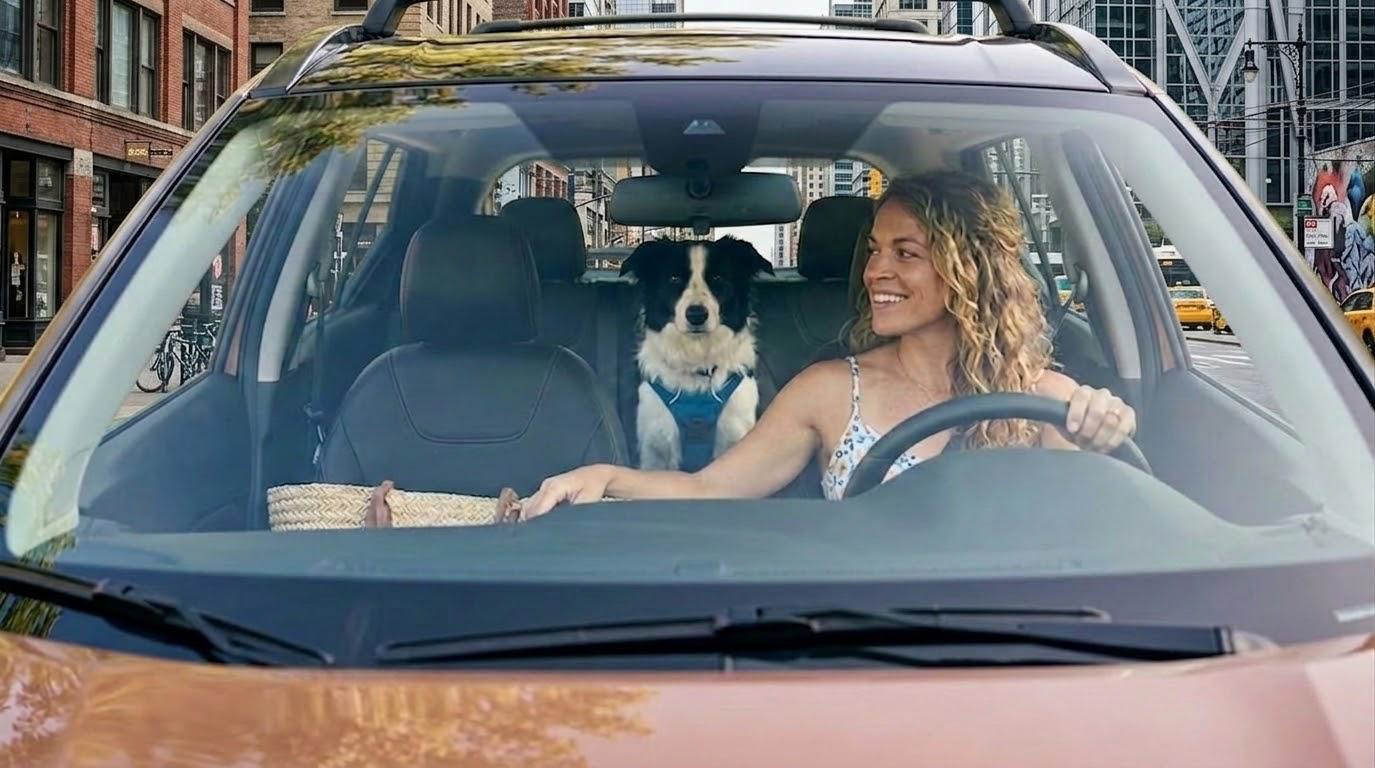
A still can look convincing on its own.

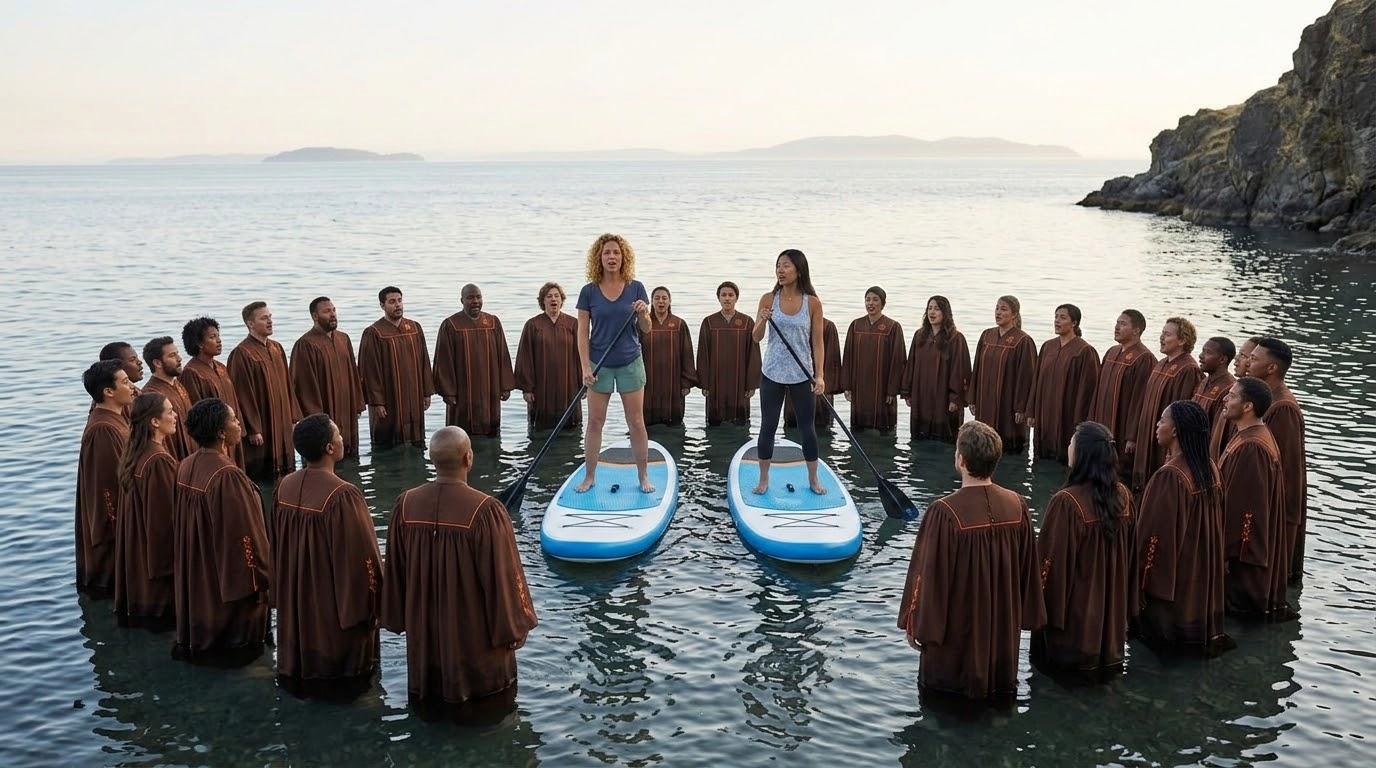

But when continuity, action, or physical logic fails, viewers begin reconstructing the story.
RenderMind keeps the intended idea coherent before a team asks consumers to judge it.
A Nature Made pre-testing animatic that normally takes two weeks — completed in one day, with the story controlled and the artist finish intact.
(Base case. With typical client rounds, most teams still finish in a few days.)
Script in → decision-ready video out — without leaving the platform.
Turn a script or deck into a boarded sequence, scene by scene.
Reference-locked frames — the same face and product, every shot.
Designed voices and scored tracks, locked to the script.
Approved frames become finished motion, straight from the board.
* Every frame traces back to its line of script.
A consumer generator returns frames. RenderMind adds what a brand needs before it ships — the finish, the ownership, and the accountability a prompt cannot give.
Human-finished workflow designed to support your ownership and registration strategy.
Documentation included if you elect to register the work.
A studio stands behind every frame — not a tool you are left alone with.
One-minute episodes for platforms and brands, played start to finish. Tap through and the next episode loads.
* Every episode began as a hand-drawn board.
The platform develops the visual system and first pass across the whole piece, in a fraction of a traditional timeline.
Artists resolve the continuity, staging, and story a prompt cannot close — the line between a demo and a deliverable.
A human-finished workflow designed to support your ownership and registration strategy — work you can register, build on, and put in front of legal.
Animatic Media has really fast turnaround times and they're quite affordable. Love the online review process.
Animaticmedia was a pure pleasure to work with. Their entire team was terrific and I can’t wait to work with them again.
No public signup. Access is scoped to your account, so the platform arrives with the finish and the accountability already attached — and you can start with one current brief.
A full managed engagement. You brief the studio, and the studio delivers finished work.
Scoped platform access for a qualified team, with our artists finishing the story-critical work.
Integrate RenderMind into your own agency or brand platform as a white-label production layer.
Plain answers. If yours is not here, hello@animaticmedia.com replies in one business day.
RenderMind is an enterprise AI video platform from Animatic Media, the production studio founded in 1997. It turns scripts into animatics, brand films, and episodic series through four connected workspaces — script to board, cinematic images, audio and voice, and video generation — with studio artists completing the continuity and story logic AI cannot close on its own. Access is scoped per account. There is no public signup.
Control and finish. A consumer tool returns frames; RenderMind returns a coherent story. Reference-locked generation holds the same face, product, and grade across every shot, and studio artists resolve pacing, screen direction, and missing beats before delivery. The platform also runs as a closed system — your scripts, brand assets, and footage never pass through public consumer tools.
Most AI production companies rent the same off-the-shelf tools anyone can — a generator here, an editor there — and bridge the gaps by hand. RenderMind is a purpose-built platform: four connected workspaces on private infrastructure, developed by Animatic Media to move a script to finished content on one production line. Every frame traces back to its line of script, references stay locked across the whole piece, and nothing leaves the closed system. The difference shows at scale — one spot can survive a fragmented workflow; a forty-episode series cannot.
You do, under a workflow designed to support registration. Every project starts from human-drawn boards and ends with human finish — the basis on which Animatic Media secured U.S. Copyright Registration PAu 4-297-548 for an AI-finished commercial, with a written legal opinion from Lorium PLLC on file. Documentation is included if you elect to pursue registration on your own work.
Yes — when the story holds. Quant results are only as valid as the stimulus. When continuity or physical logic breaks, respondents react to the error instead of the idea, and the research measures the wrong thing. RenderMind exists to keep the intended story intact. The craft behind it predates AI: an animatic this studio produced for BBH London earned the fourth-highest Millward Brown (now Kantar) quant score ever recorded in France. RenderMind is methodology-agnostic and delivers stimulus to whatever spec your research partner requires.
One day, in the base case. A Nature Made pre-testing animatic that normally takes two weeks was completed in a single day, with the artist finish intact. With typical client rounds, most teams deliver in a few days — fast enough to test more routes per campaign instead of rationing stimulus.
Yes. The cinematic images workspace locks references, so the same face, wardrobe, product, and grade carry across a full season.
Yes. RenderMind delivers a full season of photoreal vertical episodes in 3 weeks from a locked script, in English and Spanish.
Through a scoped pilot on one real brief. There is no public signup — access arrives as managed, piloted, or embedded, and every account includes the artist finish. Bring a script, a board, or a test plan, and the studio will run it through the platform on your own work.
Scope the use case — one brief, one deliverable, one deadline.
Create the first AI pass in the workspace.
Artists finish the story-critical work.
Deliver the finished work: a research-ready animatic, a brand film, or series episodes.
Typical starting points: a commercial pre-test, a global campaign adaptation, a board-to-animatic sprint, or a new content format.
Bring a script, a board, or a brief. We will scope the account and show you the platform on your own work.