01 · Boardomatic example
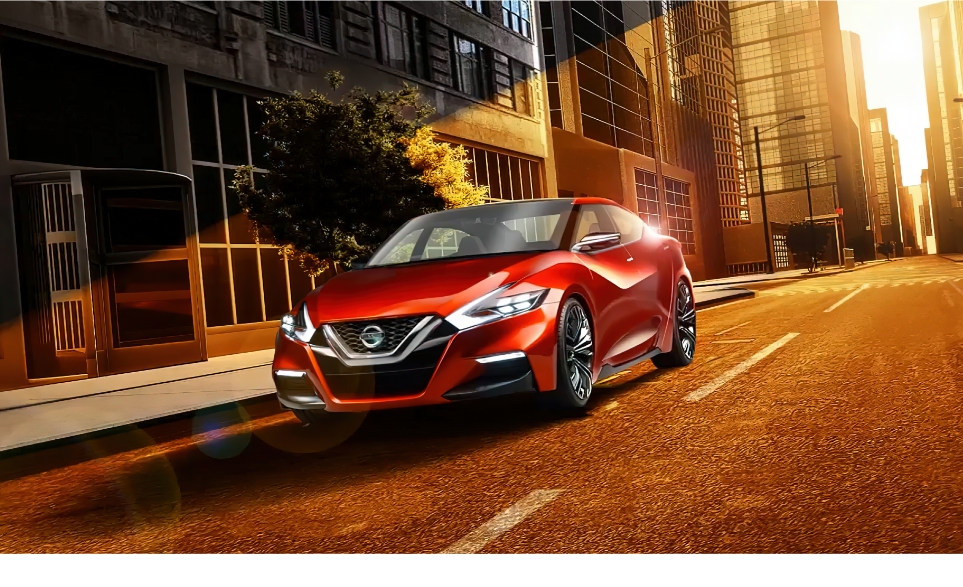
Nissan.
Photoreal color boardomatic for the launch of a flagship sedan. Hero shots delivered as fully rendered frames; supporting shots in tight color sketch. Tested in research at the top of the category cohort.
Hand-drawn boards, cut to a timeline, scored to the script. The lowest-cost way to put a commercial on screen before the camera switches on. Animatic Media has been making them since 1997.
The studio behind boardomatics for Goodby Silverstein, TBWA\Chiat\Day, Wieden+Kennedy, BBDO, BBH, Ogilvy, Droga5, FCB, McCann, Leo Burnett, Adam & Eve/DDB, Lucky Generals, Publicis — and the founder personally drew the boards Steven Spielberg signed off on for E.T.'s 1999 Super Bowl appearance with Progressive.
Drawn first. AI second.Six recent boardomatics that earned breakthrough scores in pre-production research. Drawn for Fortune 500 brands across automotive, beauty, beverage, and luxury categories.
Photoreal color boardomatic for the launch of a flagship sedan. Hero shots delivered as fully rendered frames; supporting shots in tight color sketch. Tested in research at the top of the category cohort.
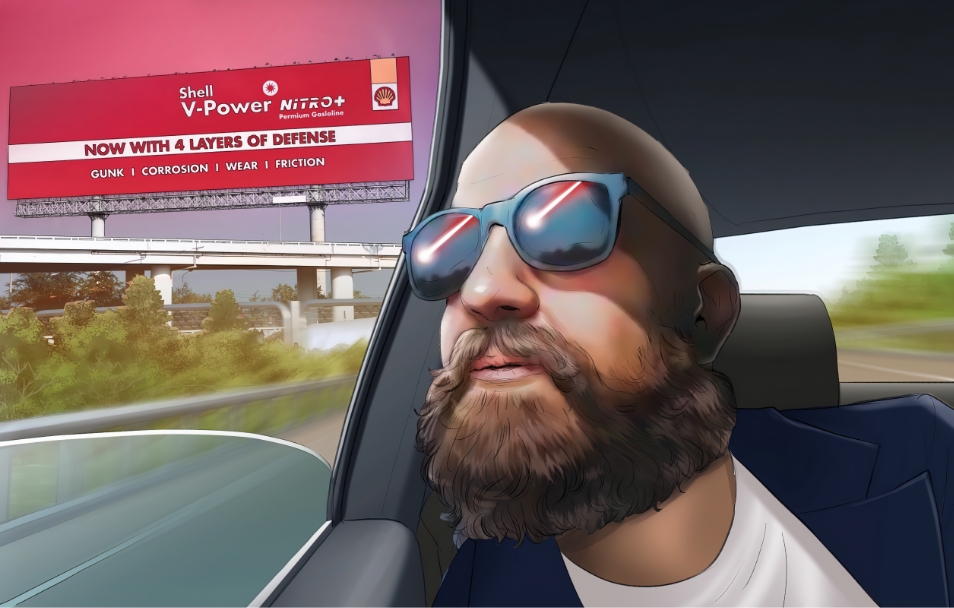
Photoreal color boardomatic for a fuel campaign with a single-character narrative arc. Continuous wind-in-hair feel achieved with sequential frame staging and dissolve timing rather than animation.
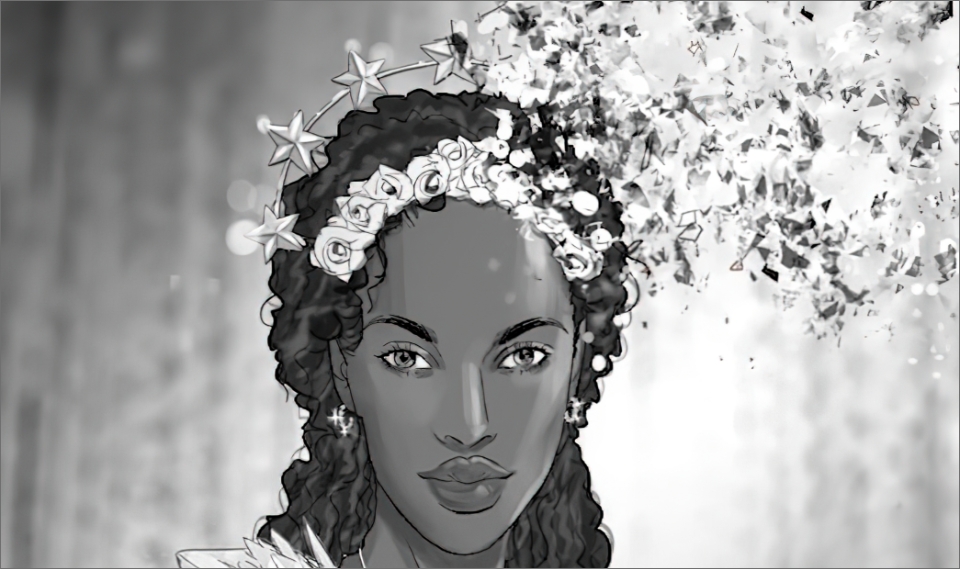
Black-and-white boardomatic for a global jewelry campaign. Pencil-shaded portraiture chosen over color to match the brand's editorial register and minimize creative noise during research.

Stylized color boardomatic for an Italian beer brand. Painterly frame treatment matched the brand's heritage poster aesthetic and produced research scores in the 90th percentile globally.
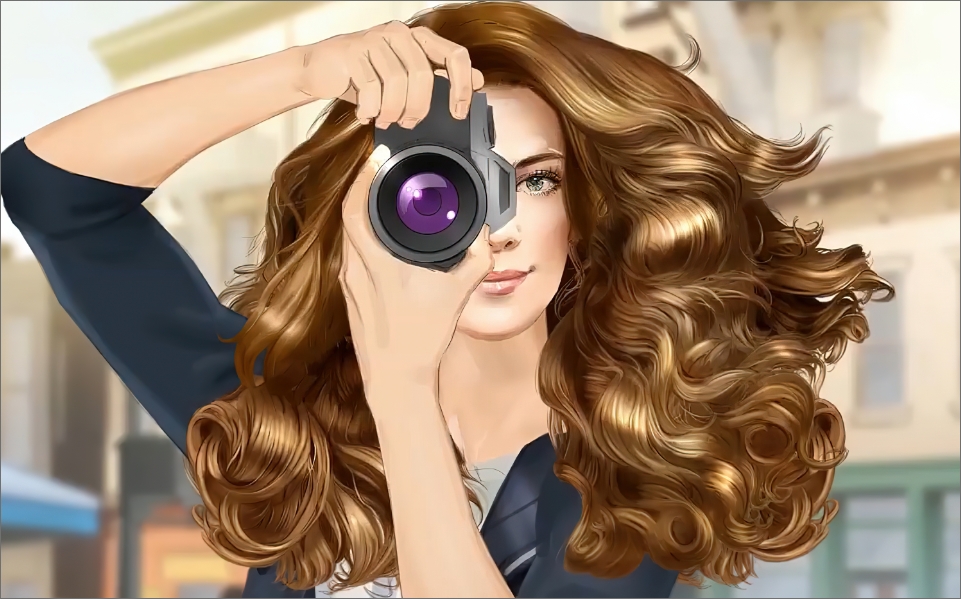
Photoreal color boardomatic for a hair care launch. Camera-through-product POV resolved at frame level with custom angles rather than animatic motion. Cleared four rounds of approvals in a single week.
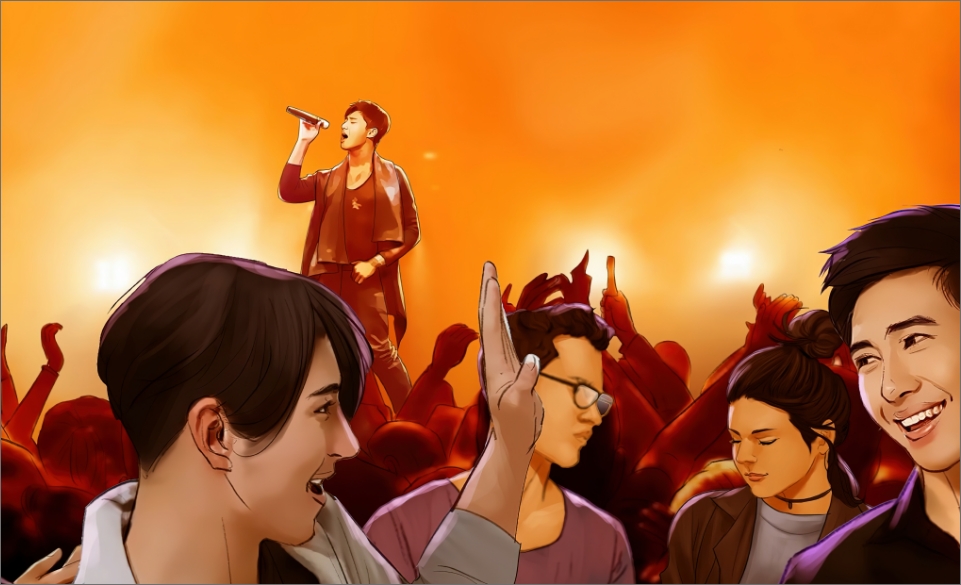
Color illustration boardomatic for a cognac brand film. Concert-stage crowd scene built across 22 unique frames with overlapping pans to convey scale without resorting to animatic motion.
A short reference for producers and brand teams who want the format breakdown — what a boardomatic is, what it costs, how it compares to an animatic, and where the vocabulary gets murky.
A boardomatic is a sequence of hand-drawn storyboard frames cut to a video timeline with voiceover, music, and limited camera movement — pans, zooms, and dissolves. It is the lowest-cost way to test a script in motion before committing to live action or full animation.
A storyboard artist draws every frame to script. Character design. Staging. Depth of field. Camera angles. The moments that carry the story. An editor assembles the boards, paces them to a scratch track, and delivers a video that looks and feels like the rough cut of the commercial without a camera ever being switched on.
Boardomatics are the standard pre-production deliverable for focus group testing, qualitative research, internal sell-throughs, and client approval rounds. When the script needs to be tested for emotional impact and narrative flow, a boardomatic is faster, cheaper, and almost as predictive as a live shoot.
Same medium, different name. When a producer is pitching a script and can stitch the look from existing footage, the result is called a mood film, stealomatic, ripomatic, or videomatic — pick your shop's vocabulary. All four use clips lifted from existing commercials, films, or stock libraries. They convey tone fast and cost almost nothing to assemble.
Boardomatics are different. When the script is original and the imagery does not exist on YouTube, a storyboard artist draws the frames bespoke. Same final format — a video with audio. Different source material. The boardomatic is the move when the idea is new.
| Format | Source material | Best for | Relative cost |
|---|---|---|---|
| Boardomatic | Bespoke hand-drawn frames | Original concept, focus testing | Mid |
| Mood film | Lifted footage | Tone reference, pitch | Low |
| Stealomatic | Lifted footage | Internal sell, pitch | Low |
| Ripomatic | Lifted footage | Pitch, mood reference | Low |
| Videomatic | Lifted footage or stock | Pitch, tone reference | Low |
| Animatic | Hand-drawn frames in motion | Motion-dependent scripts | High |
A boardomatic uses static storyboard frames with limited camera moves — pans, zooms, dissolves. An animatic adds real motion: characters walking, products rotating, lip sync, dynamic transitions. Boardomatic = still drawings in a timeline. Animatic = drawings that move.
The cost difference is significant. A boardomatic typically runs 30 to 50 percent the price of a comparable animatic. Production time is roughly half. Both serve the same purpose — testing a script before the production commitment — but the animatic is the right call when the spot lives or dies on motion that a static frame cannot fake.
Boardomatics are the most cost-effective way to put a script on screen. Black-and-white frames keep budgets tight; color frames raise the quality and the price. A typical 30-second boardomatic with original art, edit, and scratch audio runs from a few thousand dollars to mid-five-figures, depending on:
For a fixed-scope estimate, start a project and we'll quote within 48 hours of the kickoff call.
The data favors boardomatics more than most producers expect. Both qualitative and quantitative ad-testing firms — Millward Brown, Ipsos, Nielsen, ASI — confirm that boardomatics deliver concept-stage research results that closely track animatic and even live-action versions of the same script. For most spots, a boardomatic is the smarter spend.
The exceptions where an animatic earns its premium:
For those, jump to an animatic or AI photomatic. Everything else, the boardomatic does the job.
A storyboard is the visual blueprint for a commercial — frame-by-frame drawings that map the script to picture before anyone shoots, animates, or generates a single asset. Storyboards live on the wall during pitch meetings. Boardomatics turn those same drawings into a video.
Animatic Media has drawn boards for Goodby Silverstein, TBWA\Chiat\Day, Wieden+Kennedy, BBDO, BBH, Ogilvy, Droga5, FCB, McCann, Leo Burnett, Adam & Eve/DDB, Lucky Generals, Publicis — including the boards Steven Spielberg signed off on for E.T.'s 1999 Super Bowl appearance with Progressive Insurance. The studio has produced more than 10,000 boards across 28 years.
Boardomatics are one of six animatics formats in the studio. The right format depends on what the script needs to test.
Pick the medium that tests your script best. The studio's craft team — full-service since 1997 — reads your brief and specs the right deliverable. Boardomatic, animatic, photomatic, or finished AI commercial. Drawn first. AI second.